
Payment Ecosystem
Home > How payment works ? > Payment landscape > Payment Ecosystem
Payment Ecosystem
The payment ecosystem is a complex network of interconnected players, technologies, and processes that enable the seamless flow of funds between individuals, businesses, and financial institutions. This section provides an overview of the key components and stakeholders that form the foundation of the digital and electronic payments landscape.
Key Stakeholders
Consumers
Individuals or businesses initiating payments using various digital tools such as mobile apps, e-wallets, or cards.

Merchants
Businesses that accept digital payments to facilitate transactions for goods or services.

Issuers
Financial institutions or banks that issue payment tools like credit cards, debit cards, or mobile payment services to consumers.

Acquirers
Banks or payment processors that facilitate payments on behalf of merchants, ensuring funds are transferred securely.

Payment Processors
Entities that handle the technical flow of payment data between issuers, acquirers, and networks.

Payment Networks
Organizations such as Visa, Mastercard, or local networks that provide infrastructure for secure and interoperable payment transactions.
Types of Payment Methods
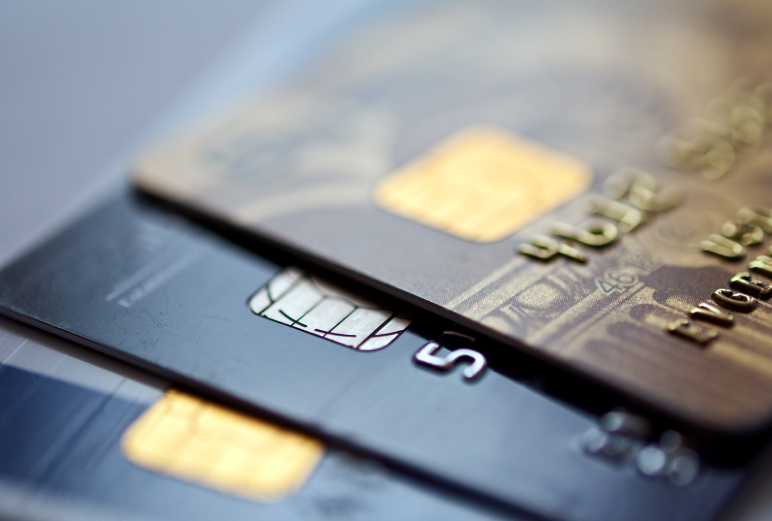
Card-Based Payments
Payments using credit or debit cards connected to global or local payment networks.
Mobile Payments
Transactions made through mobile devices using apps, QR codes, or NFC technology.
Bank Transfers
Direct transfers of funds between bank accounts, either domestically or internationally.
Digital Wallets
Secure platforms that allow users to store and manage their payment credentials for online and offline transactions.
Cryptocurrency Payments
A growing trend where digital currencies like Bitcoin are used as a medium of exchange.
Technology Infrastructure
Payment Gateways
Secure interfaces that connect merchants with payment processors for online transactions.
Tokenization
Technology that protects sensitive payment data by replacing it with unique, non-sensitive identifiers.
Real-Time Payments (RTP)
Systems that enable instant fund transfers between accounts, enhancing speed and convenience.
Blockchain Technology
Decentralized systems used for secure and transparent transactions, particularly in cross-border payments.
Regulatory Framework
Governments and regulatory bodies play a crucial role in ensuring payment systems are secure, interoperable, and inclusive. Key regulations include:
PSD2 (Payment Services Directive 2)
Promotes transparency and competition in payments across Europe
AML/KYC (Anti-Money Laundering/Know Your Customer)
Protects against fraud and financial crime by enforcing strict identification protocols.

Emerging Trends
Open Banking
Allows third-party providers to access banking data securely to offer innovative financial services.
Embedded Payments
Seamless integration of payment options within apps or platforms, enhancing user experience.
Cross-Border Payment Solutions
Innovations reducing costs and delays for international transactions.